The wardrobe is the second-biggest carpentry spend in an Indian home after the kitchen — and the one most families plan in five minutes ("7 feet, sliding, white"). Then they live for fifteen years with shelves the wrong depth, hanging space that crushes kurtas, and a loft nobody can reach. This guide covers the decisions in order: size, type, internals, finish and budget — with the measurements that make daily life effortless.
Size: always to the ceiling
A 7-ft wardrobe with a dusty gap above is the classic regret. Floor-to-ceiling costs 10–15% more and adds 30–40% storage — the loft section (top 2 ft) swallowing suitcases, razais and wedding boxes every Indian home must hide. Width planning: 3–4 ft of wardrobe width per adult is the honest minimum; a couple sharing 6 ft is why the bedroom chair became The Clothes Chair. Depth: 24 in (60 cm) fits hangers properly; 21 in works only with sliding baskets; anything shallower means clothes pressed against doors.
Sliding vs hinged, decided in one table
| Factor | Sliding | Hinged |
|---|---|---|
| Floor space needed | None in front | 2 ft clear swing |
| View inside | Half the wardrobe at a time | Everything at once |
| Cost | 10–20% more (track hardware) | Baseline |
| Long-term reliability | Track quality is EVERYTHING | Hinges cheap to replace |
| Best for | Beds within 3–4 ft of wardrobe | Rooms with space; maximum access |
If you choose sliding, the track brand decides your next decade — insist on a reputed soft-close track system in writing, exactly as you'd verify kitchen hardware.
The internal layout formula (this is the whole game)
Standard internals are designed for nobody. Design yours around an audit of what you actually own:
- 40% hanging: one long-hang section (60 in / 150 cm — dresses, sherwanis, coats) and double-hung short sections (two rods, 40 in / 100 cm apart) that DOUBLE shirt capacity in the same width.
- 40% shelves: 12–14 in vertical gaps for folded stacks; anything taller topples. Adjustable shelf pins cost nothing at build time and everything later.
- 20% drawers: 2–3 per person — innerwear, accessories, and one lockable for documents and jewellery. Tandem-box drawers beat wooden runners for the same reason as in kitchens.
- The extras that feel luxury: a pull-down hanger for the loft edge, a slim vertical pull-out for belts/dupattas, a sari rack with flat sliding shelves, and a mirror on one shutter's inside face.
From our shop
Decorate Your Home Like a Designer — The Complete Room-by-Room Guide
₹299 ₹999 70% off · instant PDF download
Our picks for this room
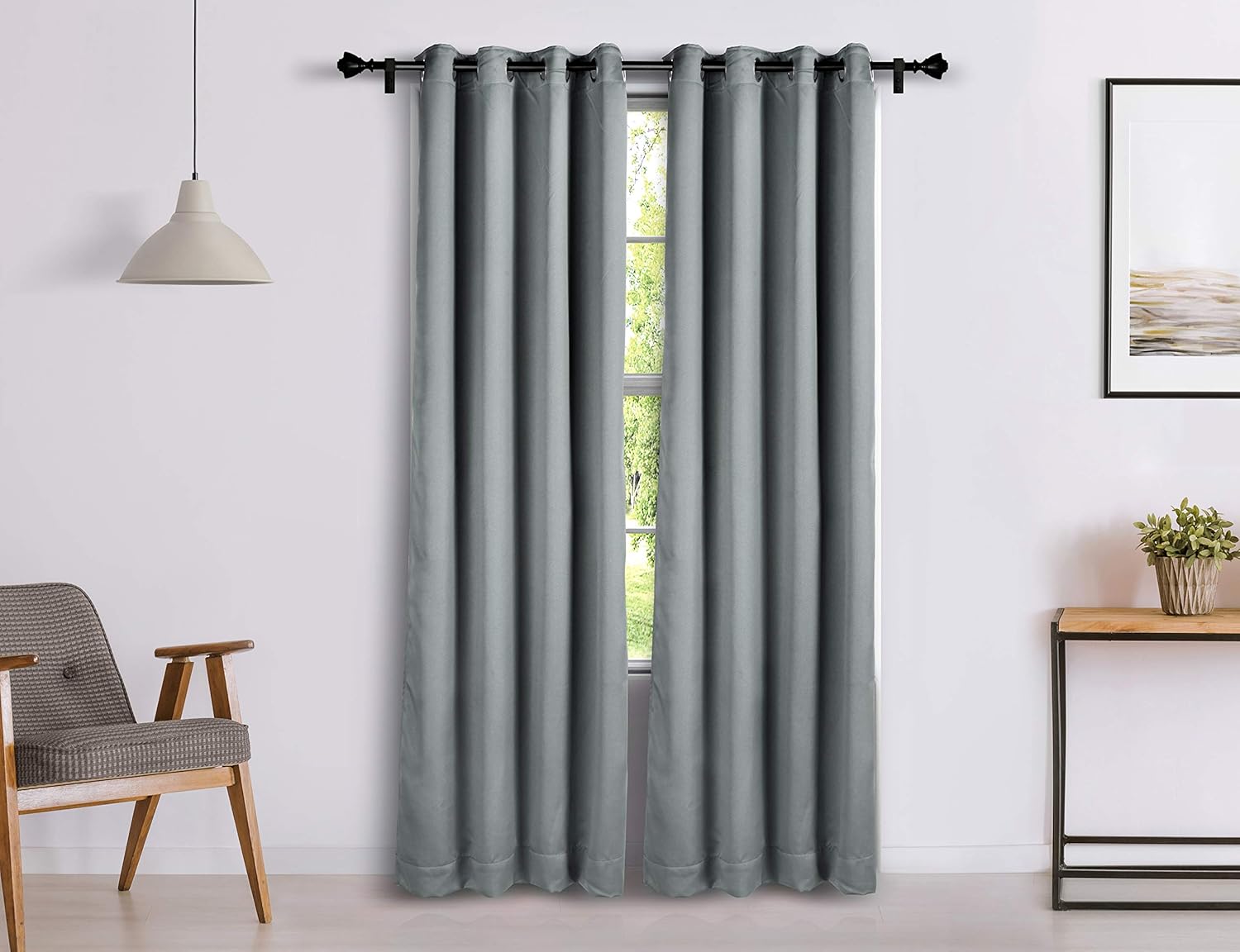 Solimo room-darkening blackout door curtains, 7 ft (set of 2)Real 3-layer blackout at a fair price — the single best sleep upgrade.View on Amazon →
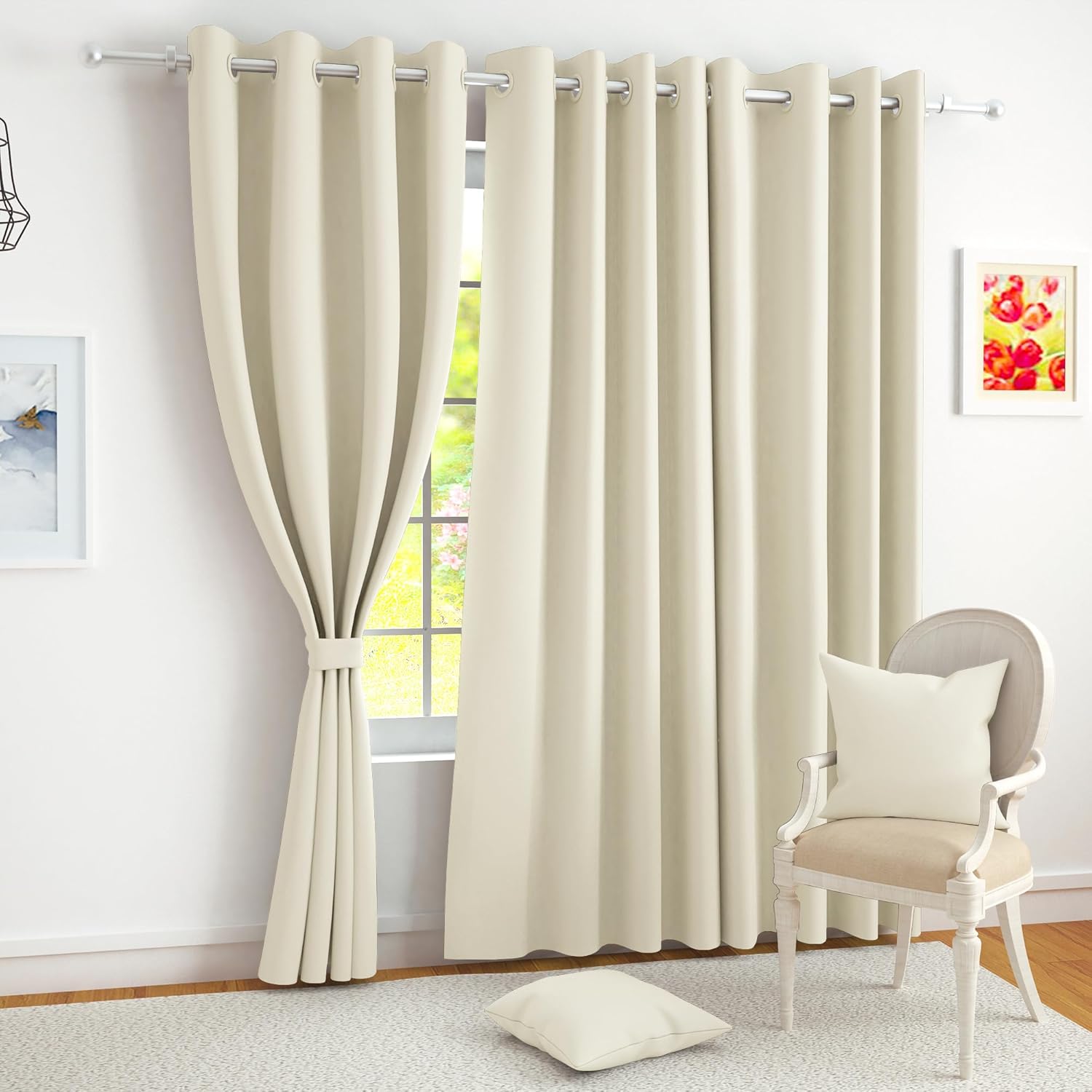 Story@Home 100% true-blackout door curtains (set of 2)Faux-silk finish that looks premium, blocks light completely.View on Amazon →
As an Amazon Associate, Interior Decor Designs earns from qualifying purchases. The price you pay is unaffected.
Finish and cost, honestly (2026 indicative)
| Finish | 7-ft sliding wardrobe | Notes |
|---|---|---|
| Laminate | ₹1.2–1.8L | The durability king; matte hides scratches |
| Membrane | ₹1.4–2L | Grooved/shaker looks, seamless |
| Acrylic/glass shutters | ₹1.8–2.6L | Premium gloss; fingerprint duty |
| PU paint | ₹2–3L | Designer matte, any colour |
Same carcass rules as kitchens: BWP/BWR ply for the boxes (or HDHMR in fully dry rooms), grade stamps verified on delivery. The inner laminate upsell (making insides fancy) is the easiest 10% saving in the whole project — white liner inside looks clean forever.
Mistakes that haunt for fifteen years
- Shelves 18 inches apart (stacks collapse into avalanches)
- No double-hanging (half the height wasted on shirts)
- Loft without a plan for reaching it
- Skipping the lockable drawer, then buying an ugly steel safe
- Dark internals with no light — add a ₹600 motion-sensor strip
- Wardrobe hard against an external wall (monsoon dampness highway — leave an inch)
Plan the room around the wardrobe wall first — the full bedroom logic is in our bedroom design guide.
Frequently asked questions
What does a wardrobe cost in India in 2026?
A 7-ft floor-to-ceiling sliding wardrobe runs ₹1.2–1.8 lakh in laminate with branded hardware; hinged versions 10–15% less; premium finishes ₹2 lakh+ (indicative).
Which is better: sliding or hinged wardrobe?
Sliding when the bed sits within 3–4 ft of the wardrobe; hinged for full visibility and cheaper maintenance. Below a 10×12 room, sliding usually wins.
What is the ideal wardrobe depth?
24 inches (60 cm) — hangers fit without angling. 21 inches works with sliding baskets; less than that compromises every hanging garment.
How should wardrobe internals be divided?
Roughly 40% hanging (with one double-hung section), 40% shelves at 12–14 inch gaps, 20% drawers including one lockable — then adjust to your actual clothes census.
Is a loft over the wardrobe worth it?
Always. Floor-to-ceiling with a loft adds 30–40% storage for 10–15% cost — the suitcase-and-razai problem has no better answer in Indian homes.
Which material is best for wardrobes?
BWP/BWR plywood carcass with laminate shutters is the value benchmark; HDHMR is acceptable in dry bedrooms. Verify grade stamps on delivery, exactly like kitchen material.